


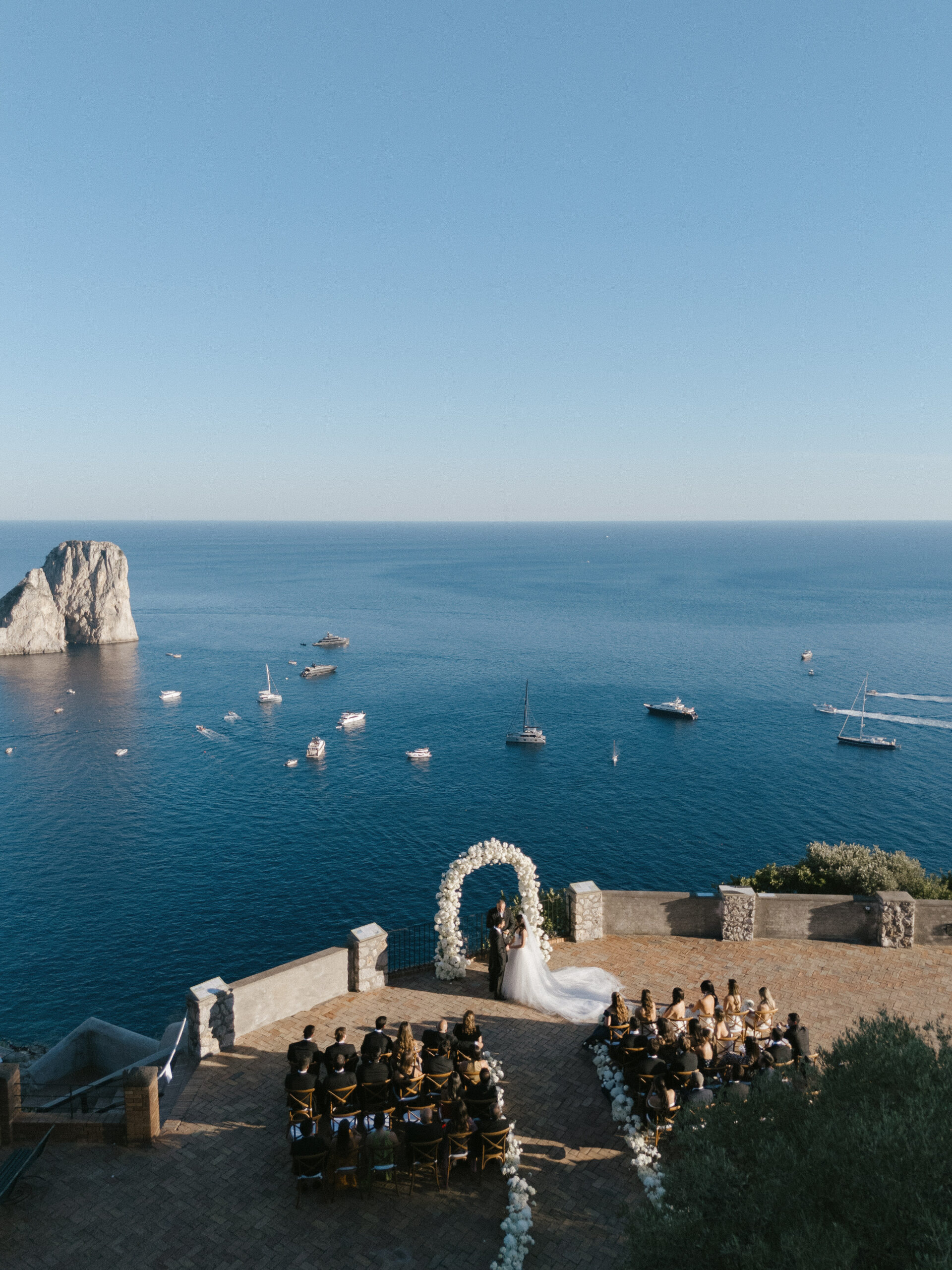
What to Know Before Booking a Destination Wedding Photographer
As a destination wedding photographer based in Adelaide, I’ve been shooting weddings in Europe for several years and return to Italy every season. Couples ask me regularly what planning a destination wedding actually involves. This is what I wish more of them knew before they started.
Why the photographer relationship matters more at a destination wedding
This is the first thing worth saying, because it’s the one most couples think about last.
When you hire a local photographer in your European destination, the logic is practical. They know the venue, they’re already on the ground, the travel cost stays low. All of that is true.
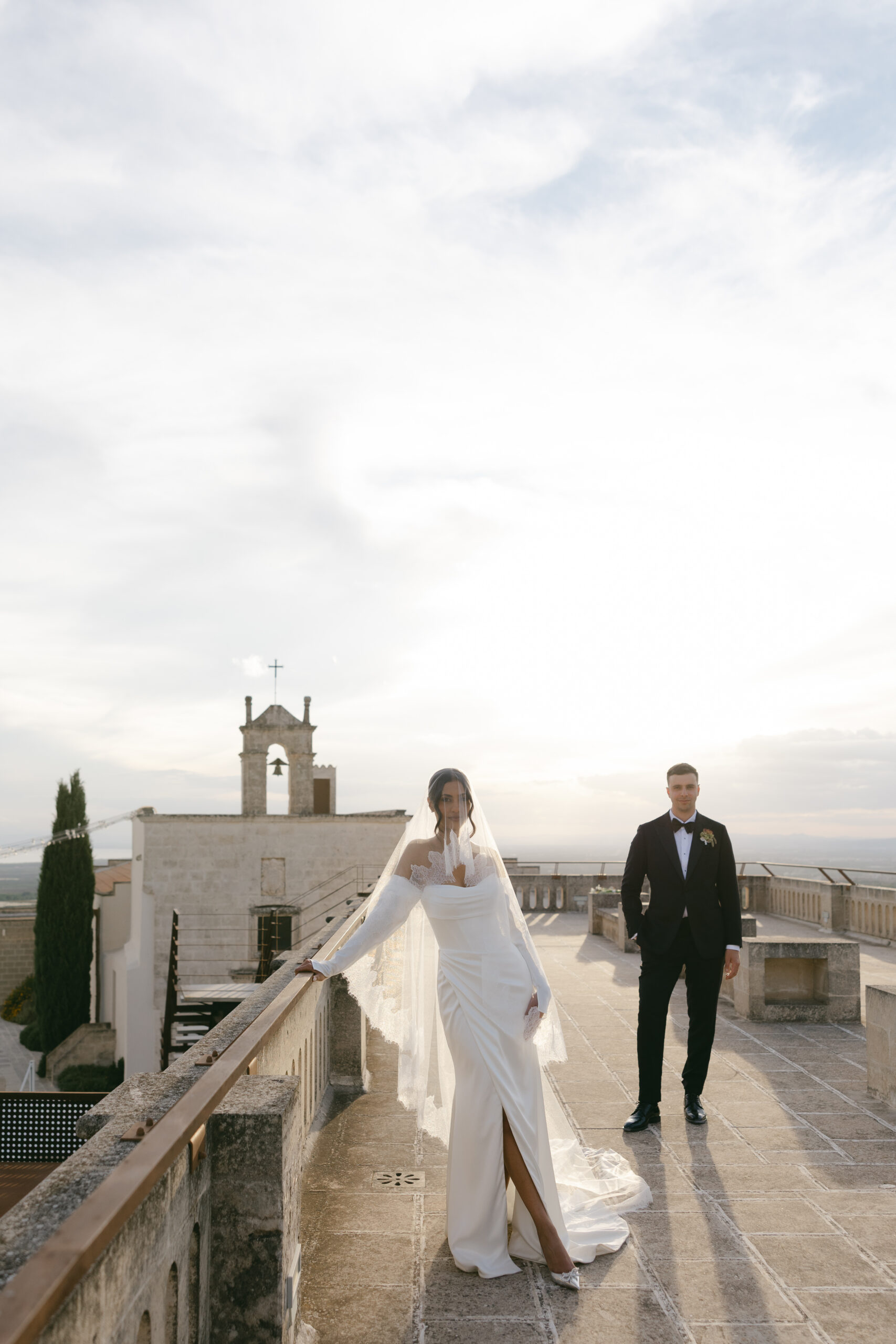
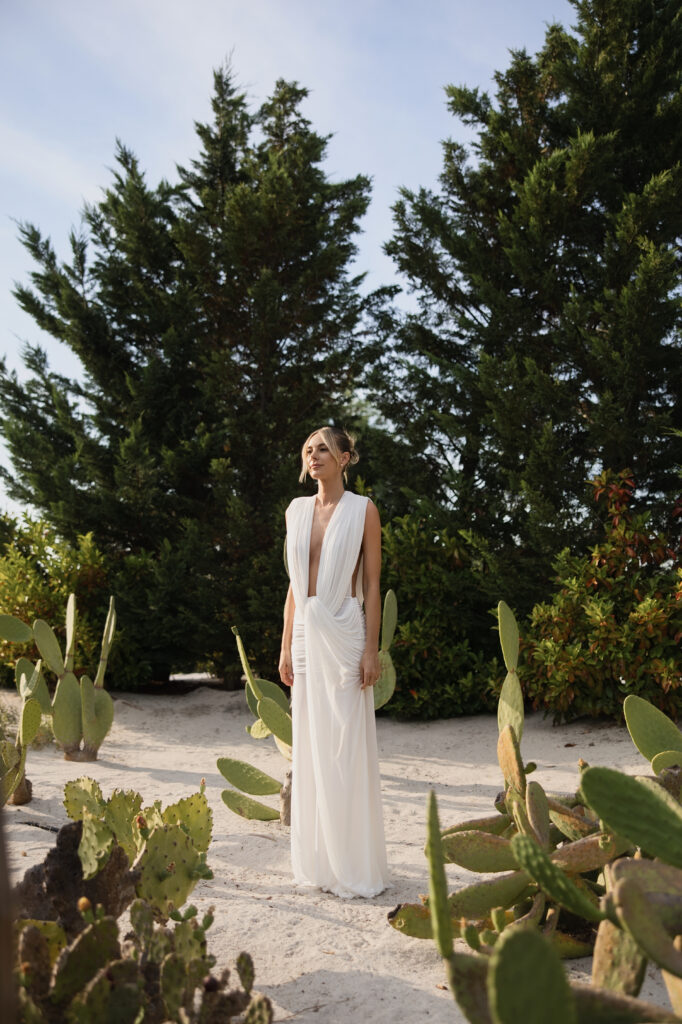
What you’re trading away is the relationship. By the time your wedding day arrives, a destination wedding photographer you’ve worked with across months of conversations and check-ins is not a stranger walking in with a camera. They already know you, your dynamic, what matters to you, what you’re nervous about. That changes what’s possible on the day, and it shows in every frame.
I’ve been returning to Italy for several years now. The light in Puglia in late afternoon, the rhythm of a Tuscan estate, what a particular courtyard looks like at different times of day. That familiarity means I’m not discovering the location at the same time as your guests. I’m already looking for you.
The travel cost for bringing your destination wedding photographer from Australia is real. It’s also a known cost, not a surprise, and what it buys is continuity of trust at the moment that matters most.
Is a destination wedding actually cheaper?
Sometimes, yes. Not always for the reasons people expect.
The guest list does the most work here. A destination wedding naturally limits who can attend, and a smaller guest list means every line item shrinks: catering, florals, seating, the cake, the favours. Some couples spend less overall than they would have at home, simply because they’re feeding sixty people instead of one hundred and sixty.
There are real savings in décor too. An Italian estate or a stone courtyard in Puglia does a great deal of the visual work on its own.
Where costs catch people off guard: international travel for vendors coming from Australia, currency fluctuation on a budget set months in advance, and the administrative costs involved in legally marrying abroad. Build in a 10–15% contingency and get realistic local pricing from your planner early. What catering costs in Tuscany is different to Puglia, and neither reflects Australian industry pricing.
The destination also folds into your honeymoon naturally, which is a genuine saving if you account for it.
Start planning earlier than you think
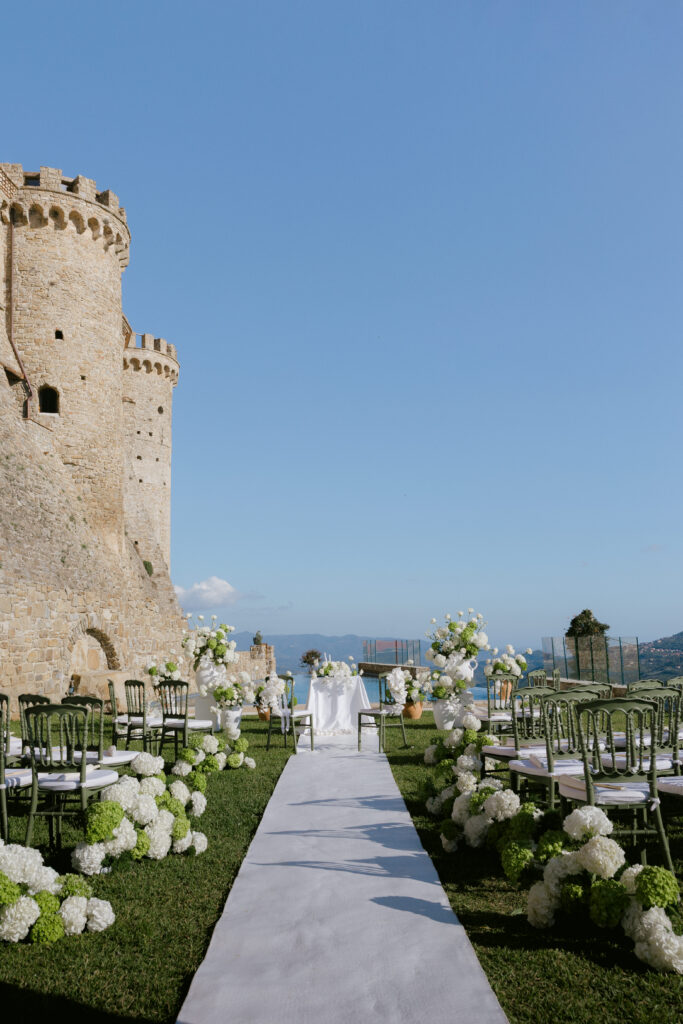
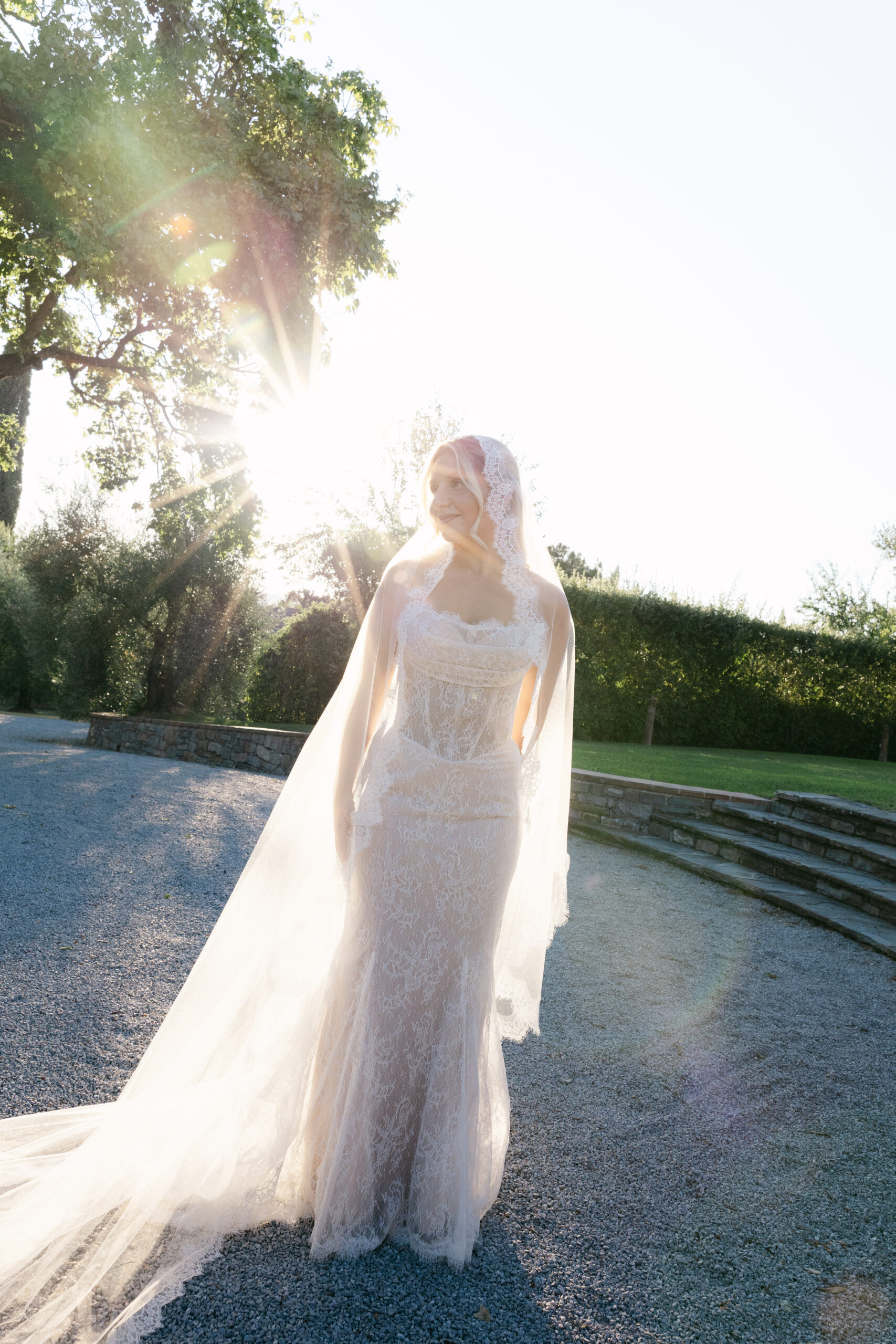
For a European summer wedding (June through September), eighteen months in advance is sensible. The best venues in Tuscany, the Amalfi Coast, and Puglia book quickly. Lock in your venue first, before anything else. Everything else arranges around it.
The same applies to your destination wedding photographer. For peak European summer dates, 12 to 18 months ahead is the safe window, particularly if you want someone who takes on a limited number of weddings each year. A pre-booking call early in the process is worth doing to make sure the relationship feels right, not just that the dates are available.
If you can visit the location before the wedding, do it. A weekend spent seeing venues in person, meeting local vendors, and getting a feel for how a place actually sits beats any amount of research done from a laptop.
The legal side
Each European country has its own requirements for Australian nationals marrying abroad. Italy requires documents to be apostilled and translated by a certified translator within specific timeframes. Other countries have residency considerations. None of it is especially simple.
Two practical approaches: work with a local wedding planner or legal specialist in your destination country early, or legally marry in Australia first and treat the European ceremony as the celebration. Both work well. The important thing is knowing which applies to your situation before you’re already deep in venue negotiations.
Hire a local wedding planner
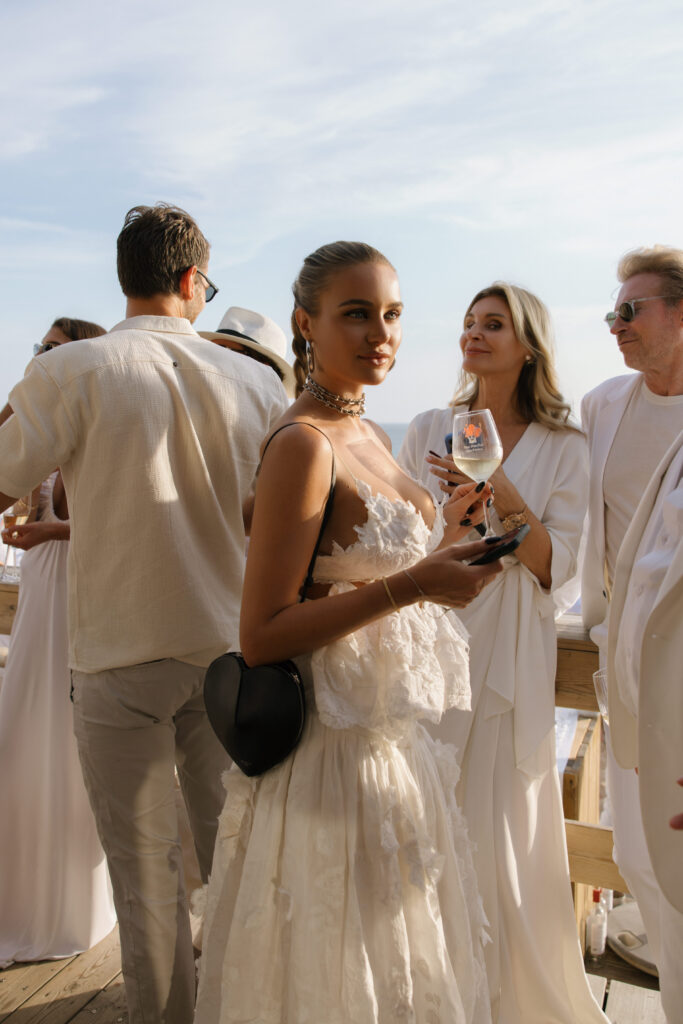
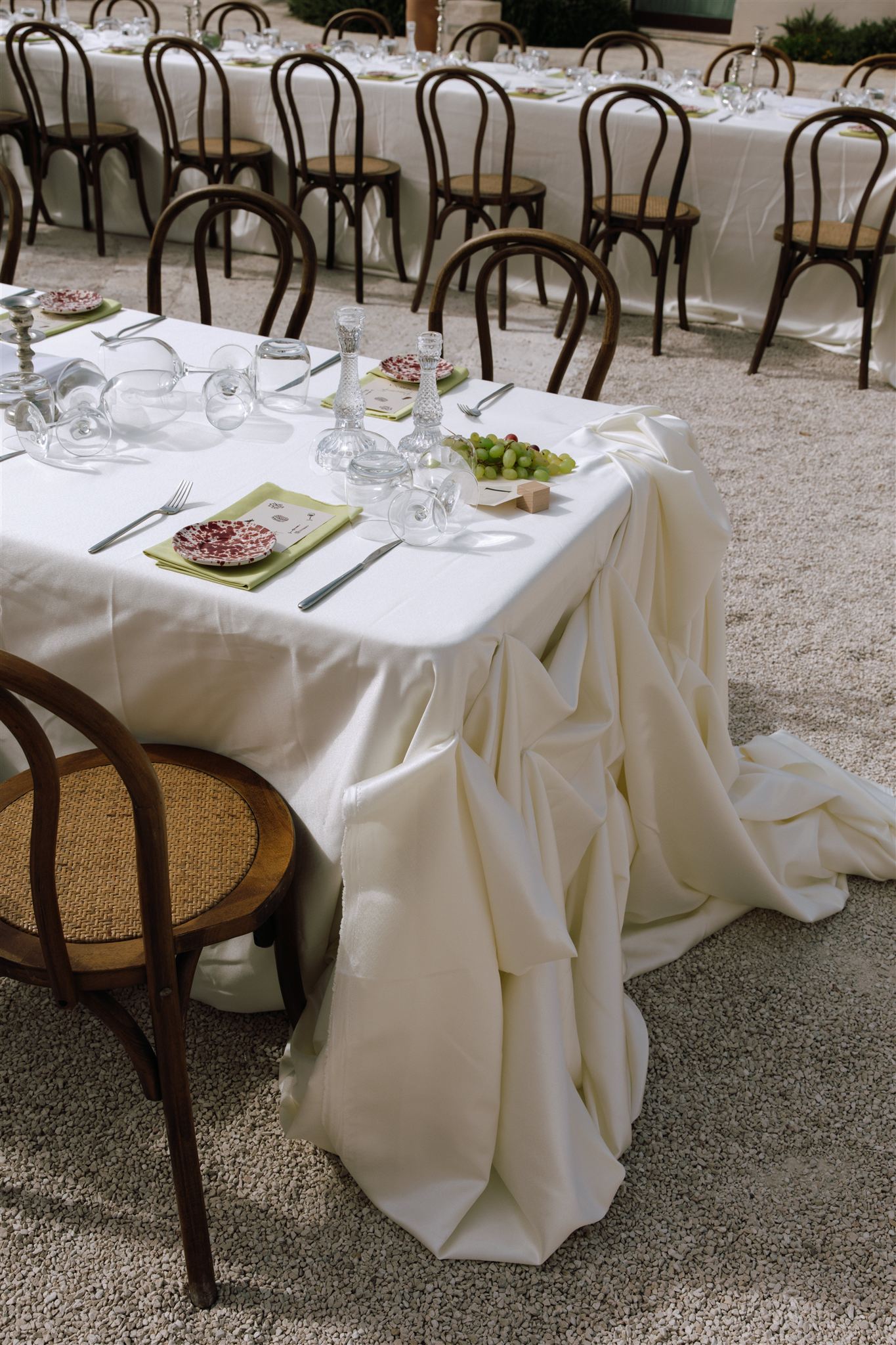
A good local planner is not optional for a European destination wedding. They have the vendor relationships, the local knowledge, and a real understanding of how things operate in that region.
Wedding planners worth considering:
- Open the Door Events: Spain, Italy, France, Portugal and the UK. Laid-back luxury, sensory multi-day experiences, and a genuinely alternative creative approach. My personal favourite.
- Italian Boutique Weddings: I’ve worked alongside Santa and her team personally and rate them highly for their relationships with Italian venues and vendors and the dedication they bring to their couples.
- Studio Harding: UK and Italy. A boutique studio taking on a limited number of weddings each year, with a calm and considered approach to modern, design-led celebrations. Good fit for couples who want something contemporary rather than traditional.
- Liz Linkleter Events: UK and Europe. Fashion-led, understated luxury, featured in Harper’s Bazaar and Vogue. For couples who want something that feels more editorial than traditional.
- Ewes and G Events: Cilento and Campania specialists. I’ve worked with Ewelina directly and can recommend her warmly for couples marrying in southern Italy.
- Giulia Alessandri: Italy, with a strong feel for intimate and considered celebrations.
I have a more detailed breakdown over on My Top Picks for European Wedding Planners.
Think about the whole weekend
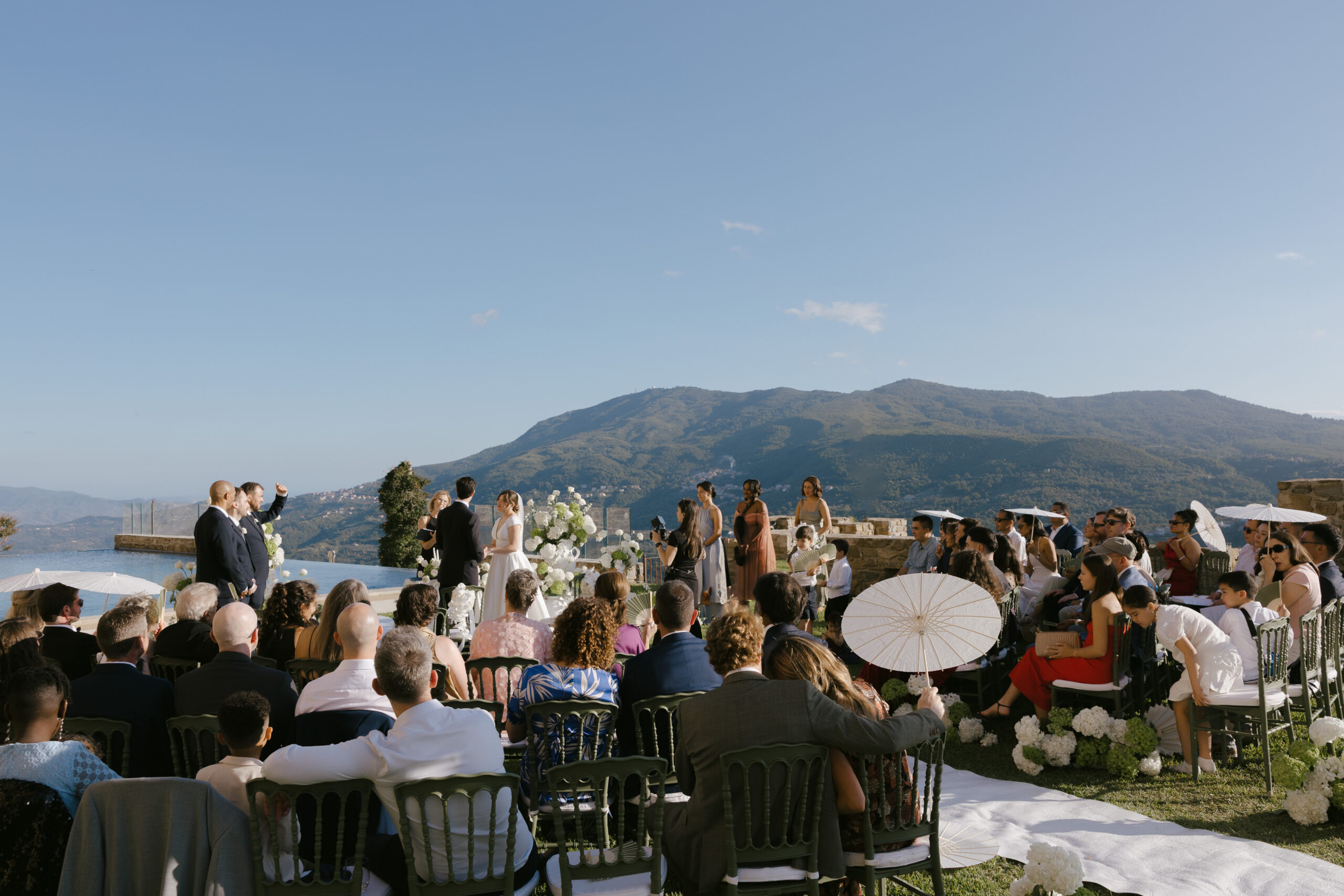
The couples who come away feeling like their destination wedding was everything tend to be the ones who didn’t treat it as a single day. A welcome dinner the night before. A slow morning after before heading to a beach club. Time for guests who have travelled far to actually be together without a schedule.
Some of the best moments I’ve photographed have happened the day before the wedding or the morning of. A walk through the estate. Breakfast outside. Nobody performing, nobody rushing. Those moments exist because there was enough time for them to unfold.
Booking a Destination Wedding Photographer at a Glance
- When to book: 12 to 18 months ahead for peak European summer dates
- Local vs Australian photographer: local knows the venue; Australian knows you — the prior relationship changes what’s possible on the day
- Is it cheaper?: sometimes — smaller guest lists reduce most costs, but factor in vendor travel, currency fluctuation, and a 10 to 15% contingency
- Legal requirements: vary by country; Italy requires apostilled documents; many couples legally marry in Australia first
- Planner: essential for a European destination wedding, not optional
- Multi-day format: the couples who come away most satisfied treated it as a weekend, not a single day
- Where Evelina shoots: Italy, Portugal, Spain, France, and beyond — returning to Italy every season
Destination Wedding Photography: Frequently Asked Questions
Both are valid, but they offer different things. A local photographer in your destination may know the venue well. An Australian destination wedding photographer you’ve worked with across months of planning already knows you. That relationship changes what’s possible on the day. Most couples who have experienced both say the prior relationship is the thing they’re most glad they didn’t compromise on.
For peak European summer dates, 12 to 18 months ahead is the safe window. The earlier the better, particularly for photographers who limit how many weddings they take on each year. It’s also worth doing a call early to make sure the fit feels right before locking anything in.
Sometimes, yes. The guest list does the most work—a destination wedding naturally limits who can attend, and a smaller list shrinks almost every line item. Where costs catch people off guard are vendor travel, currency fluctuation on a budget set months in advance, and the administrative costs of marrying abroad. It often folds naturally into the honeymoon, which is a genuine saving if you account for it.
Currency fluctuation. If you’re quoting vendors in euros months in advance and the exchange rate shifts, your budget can change meaningfully without any vendor actually increasing their price. Building a 10–15% contingency into your overall budget, and being aware of exchange rates when you’re making deposits, is something most planning guides don’t mention.
Either works. Each European country has its own requirements for Australian nationals, and some involve apostilled documents, certified translations, and specific timeframes. Italy in particular has a more involved process. Many couples choose to marry legally in Australia first and treat the European ceremony as the celebration—this is completely valid and removes the administrative complexity entirely. A local wedding planner or legal specialist in your destination country can advise on what applies to your situation.
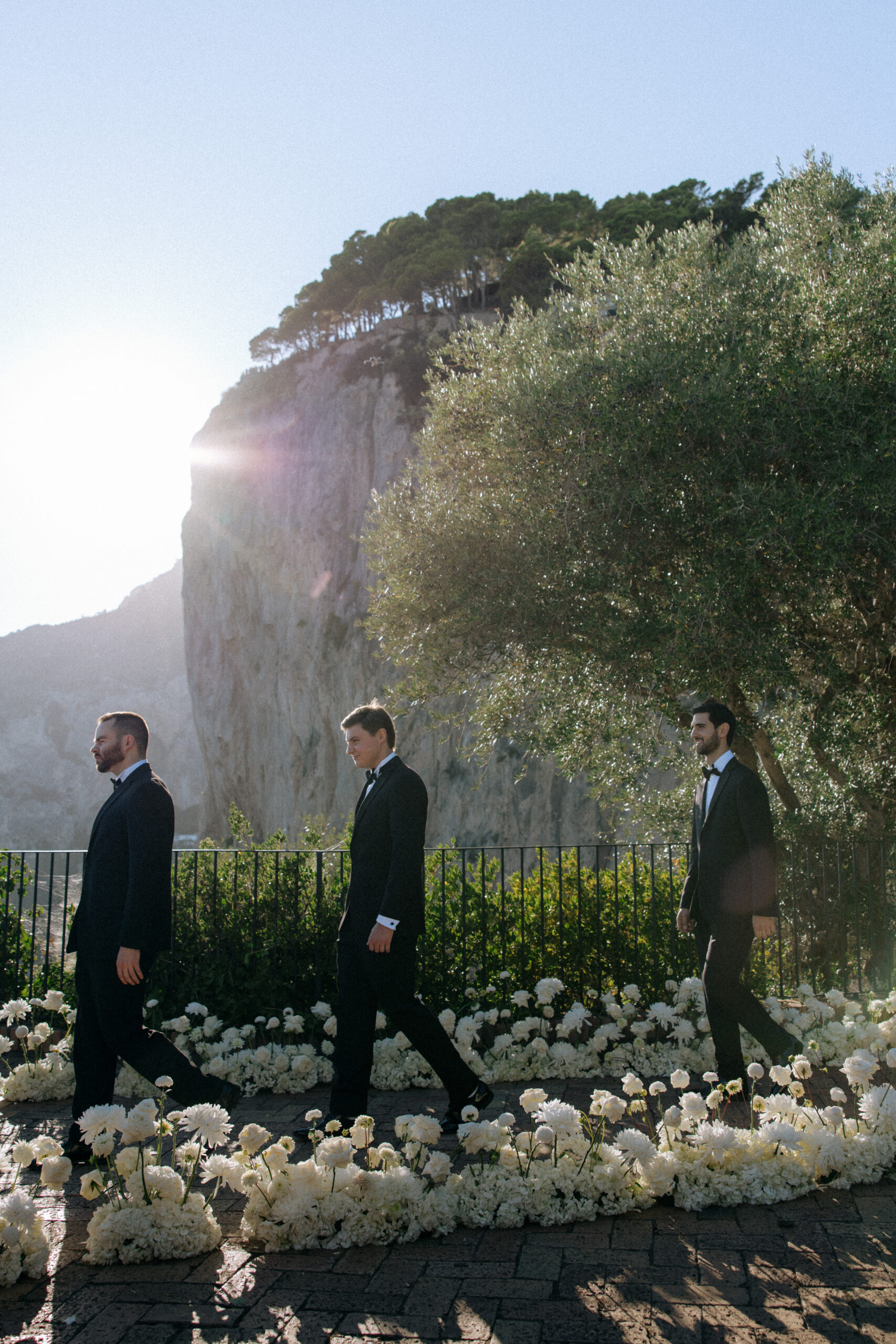
If you’re planning a destination wedding and want to know more about how I work, what a full collection includes, and what the process looks like from enquiry to wedding day, you can find everything on my destination wedding photographer page.
Evelina Katarzyński is a destination wedding photographer based in Adelaide, Australia, returning to Europe every season to photograph weddings across Italy, Portugal, Spain, and France. She shoots on both digital and 35mm film and works with a small number of couples each year. If you’re planning a destination wedding and want a photographer who already knows the light and the rhythm of the places you’re dreaming about, get in touch here.
