Evelina Katarzynski
written by
The Best European-Inspired Wedding Venues in Australia
A curated guide to wedding venues across Australia with European atmosphere
There is something about a late afternoon at a European estate that is hard to describe without sounding dramatic. The light goes warm, the pace drops, and everyone stops rushing around quite so much. It is not really about the architecture. It is about how a place makes you feel when you are in it. And it turns out you don’t always need a passport to find that.

Across Australia, a growing number of properties have been built or restored with exactly that atmosphere in mind. Some are working farms, some are heritage homesteads, some were dreamed up from scratch by people who fell in love with a specific corner of France or Tuscany and came home determined to recreate it. The best of them do not feel like imitations. They feel like the real thing, transported home.
What follows is a curated list of wedding venues in Australia with genuine European character. Not the kind that appears in a mood board and disappears in person, but the kind that photographs honestly and feels even better to be invited to.
Jump To
Sydney & New South Wales
Brisbane & Queensland
Melbourne & Victoria
Adelaide & South Australia
Perth & Western Australia
Sydney & New South Wales
Redleaf Wollombi
A Tuscan-Inspired Villa on 100 Acres in the Hunter Valley

Less than two hours from Sydney, Redleaf sits on 100 acres of the Wollombi Valley with the kind of terracotta walls and manicured gardens that make people stop mid-sentence. The homestead has been called the closest thing to Italy without leaving Australia, and that is not hyperbole. Pine trees frame the ceremony spaces. The garden marquee area looks out over a pond. There is on-site accommodation for up to twelve guests across six bedrooms, which means a proper wedding weekend rather than a single day.
It is a blank canvas venue, which is worth understanding before you book. Every element comes in from outside, from catering to florals to furniture. That gives couples total creative control, but it also means having a good planner is less a luxury and more a structural necessity. The reward for that effort is a property that will look like nothing else.
WEBSITE / INSTAGRAM
The Merribee
Thirty Garden Rooms and an 1850s Farmhouse on the NSW South Coast
Seven acres of curated gardens on the NSW South Coast, built around an 1850s farmhouse with 30 separate outdoor garden rooms, a lavender paddock, a rose garden, and a converted grain silo that serves as the couple’s accommodation on the night. It is a full three-day wedding experience rather than a single day hire, which suits couples who want to actually live inside the celebration rather than rush through it. The topiary and old roses have the kind of maturity you cannot manufacture.
WEBSITE / INSTAGRAM
La Gemme Estate
A French Château on 100 Acres in the Southern Highlands
La Gemme is a 100-acre private estate in the Southern Highlands built by a couple who spent four years travelling Europe collecting architectural pieces, sourcing antiques, and designing every corner with the specificity of people who knew exactly what they wanted. The result is a limestone French chateau set behind a long avenue of mature plane trees, with a koi lake, manicured gardens by Richard Haigh, and interiors that sit somewhere between a Provencal farmhouse and a contemporary art collection.
It came to public attention through its owner’s own wedding there, an event covered in Vogue, which gives you a sense of the calibre of occasion the property is built for. It is new to the wedding market, exclusive, and the kind of venue that will photograph as though the images were taken somewhere else entirely. Because in a sense, they were.
WEBSITE / INSTAGRAM
Deux Belettes
A Jasmine-Covered French Estate in the Byron Bay Hinterland
Deux Belettes translates, roughly, to two weasels. Which tells you something about the people who built it. This is not a venue designed by committee. It is a personal, idiosyncratic property in the Byron Bay hinterland with jasmine-covered courtyards, stone loggias, walled gardens under ancient magnolias, and a candlelit quality that feels less designed than grown.
It suits intimate weddings of 30 to 90 guests, and it suits them well. The capacity is a feature, not a limitation. There is no grand ballroom here, and that is entirely the point. What there is instead is atmosphere by the square metre, and a setting that will hold its own in photographs for the next fifty years.
Fig Tree Restaurant
A Mediterranean Hinterland Estate Above Byron Bay
Perched on a hill above Byron Bay with views out to the lighthouse and Julian Rocks, Fig Tree has been hosting weddings long enough to have genuinely earned its reputation. The ceremony happens under a 150-year-old Moreton Bay fig, guests move through an olive grove and grapevine canopy to the pool for cocktails, then into the restaurant for the reception with floor-to-ceiling windows and the kind of organic, produce-led food that actually reflects where you are. It flows naturally from one space to the next without anyone needing to be corralled.
On-site accommodation across two properties sleeps up to 14, and the kitchen gardens supply much of what ends up on the table. For couples who want the Byron hinterland feeling with real culinary substance behind it, this is the one.
WEBSITE / INSTAGRAM
Krinklewood Estate
A Biodynamic French-Inspired Vineyard in the Hunter Valley, NSW
Established in 1981 and certified organic and biodynamic since 2007, Krinklewood sits in the Broke Fordwich region of the Hunter Valley, two and a half hours from Sydney. Provençal gardens, sculpted sandstone paths, classic urns and fountains, roaming peacocks, the Brokenback Range as a backdrop. The estate’s philosophy is “Créé avec Amour” — created with love — and it shows in the level of detail the property has accumulated over four decades.
Weddings here are intimate and exclusive by design. On-site accommodation in the French-inspired farmhouse sleeps up to eight, with a pool and tennis court on the grounds. Couples bring their own caterer, which pairs well with the estate’s own biodynamic wines. For those who want a vineyard wedding with genuine Provençal atmosphere and an ethos behind it, Krinklewood is the one.
WEBSITE / INSTAGRAM
Ardour Milton Park
A Restored English Country Manor in Bowral, Southern Highlands

Milton Park has been a Southern Highlands institution since the Hordern family built it in 1910. The estate recently reopened as Ardour Milton Park after a $10+ million transformation, now operating as the flagship property of a new Australian luxury hotel brand, with a full hotel, spa, restaurant, and a sense of occasion that has been carefully modernised without disturbing the heritage.
The grounds are everything you would expect: sandstone architecture, manicured gardens, centuries-old trees, outdoor terraces, and lawns that do particularly well in the long light of spring and autumn. Ceremony spaces include the Tulip Lawn and various garden settings; the Ballroom accommodates up to 140 for reception. For couples who want the full destination wedding weekend experience without flying anywhere, this delivers it.
WEBSITE / INSTAGRAM
Estate Vaucluse House
A Georgian Heritage Estate on Sydney Harbour
Vaucluse House is a different category of venue entirely. This is a Georgian heritage estate managed by the Historic Houses Trust, sitting on Sydney Harbour with grounds that have been in various states of cultivation since the 1820s. It is not a purpose-built wedding venue. It is a place with genuine historical weight, and that weight does something interesting in photographs.
For couples who want ceremony in surroundings with real provenance, rather than the simulation of provenance, Vaucluse House is worth the conversation. Gardens, architecture, harbour light. There is nothing else quite like it in the city.
WEBSITE / INSTAGRAM
Looking for European-inspired wedding venues specifically in Sydney and NSW?
Here’s my full NSW guide.
Brisbane & Queensland
Jimbour House
A Historic Stone Homestead on the Darling Downs

Jimbour is one of the more quietly extraordinary venues in this list. A historic homestead on the Darling Downs with stone walls, Tuscan columns, ancient fig trees, and towering palms that have had more than a century to settle into the landscape. The property offers multiple ceremony and reception spaces including The Jacaranda Drive, a Courtyard, an Aircraft Hangar that reads better in person than it sounds, and an area called The Grand Tree that explains itself immediately.
It is a genuine heritage property rather than a European-themed construction, which gives it a different quality of character. Less polished, more layered. The kind of place that rewards photographers who are paying attention to things other than the obvious.
WEBSITE / INSTAGRAM
Gabbinbar Homestead
A Victorian Heritage Estate on 13 Acres in Toowoomba
Gabbinbar has been hosting significant occasions since the 1860s, when it served as the summer residence of Queensland’s governors. That history is not incidental. It is embedded in the property’s atmosphere in a way that newer venues simply cannot replicate. Thirteen acres of gardens planted over 160 years ago, towering fig, bunya and cedar trees, manicured hedges, and a grand homestead with ballroom, conservatory and library.
The estate operates on exclusive use, which means the day is entirely yours. Four ceremony locations, three reception spaces, all-inclusive packages that cover food, beverage and coordination. For couples who want the full estate experience without the logistical complexity of a blank canvas venue, Gabbinbar removes that friction entirely. Ninety minutes from Brisbane, two hours from the Gold Coast.
WEBSITE / INSTAGRAM
Melbourne & Victoria
Alora Macedon
A Glass Atrium Estate with Tuscan Character in the Macedon Ranges
Brand new and already generating serious attention, Alora Macedon is a 13-acre private estate in the Macedon Ranges, about 40 minutes from Melbourne. It was designed from the ground up for weddings rather than retrofitted, and that intentionality shows in every corner of the property.
The centrepiece is a 600sqm glass atrium with floor-to-ceiling windows, a black steel frame, and polished concrete floors. It reads as architectural and considered rather than fussy, which makes it a genuinely versatile reception space in any light. On-site accommodation is split across two buildings: a four-bedroom cottage and a seven-bedroom Tuscan-style villa called La Villa, complete with a pool and Romanesque arches, sleeping up to 25 guests combined. There is also a dedicated getting-ready room, which is rarer than it should be.
WEBSITE / INSTAGRAM
Amarti
An Italian-Inspired Heritage Venue in Gippsland, Victoria

The name takes a moment. An old butter factory is not the first association when you think European wedding venue, but Amarti has been transformed in a way that leans into the character of the original structure rather than papering over it. Stone, industrial bones, Italian sensibility. It suits couples who want something genuinely different and are not looking for a venue that reads like every other venue they have seen on Instagram.
Intimate in scale and specific in character. The kind of place that works best when the styling is confident and the couple already knows what they want.
WEBSITE / INSTAGRAM
Brolga Hill Estate
Six Acres of European Gardens in the Central Highlands of Victoria
Fifteen minutes west of Daylesford, in the Central Highlands of Victoria, Brolga Hill sits on six acres of landscaped gardens that were designed from the beginning to feel as though they had been there forever. The original settlers of the region were Swiss Italian, and that history is embedded in the property’s sensibility, as is a long-running instinct for collecting and curating that shows in every corner of the house.
What the venue is known for, beyond the gardens, is what happens at golden hour. The hills take on a warmth that makes the whole property feel cinematic without trying to be. Up to 200 guests for events; the house itself accommodates ten, making it ideal for a wedding weekend where the closest people stay on site.
WEBSITE / INSTAGRAM
Dairy Flat Farm
A Pastoral European Farm Stay Near Daylesford, Victoria
The Daylesford region has a concentration of European-feeling properties that is difficult to explain and easy to understand when you are there. Dairy Flat Farm sits within that tradition: pastoral, unhurried, with the loose romance of a property that has been used for things other than weddings and carries that history in its texture. Good for couples who want countryside without contrivance.
WEBSITE / INSTAGRAM
Cygnet Estate
A Private Peninsula Estate with Water Views Near Kyneton, Victoria
Cygnet Estate sits on a private peninsula jutting into Lauriston Reservoir, surrounded by 13 hectares of manicured grounds near Kyneton in the Macedon Ranges. Two grand drawing rooms with 4.5 metre ceilings, a sun-drenched conservatory with a hand-painted mural, a walled garden, multiple outdoor terraces and lawns that look out over the water. It is the kind of property that photographs differently depending on where you stand, which is exactly what you want from a venue at this scale.
On-site accommodation in the original farmhouse sleeps up to eight across three bedrooms, keeping the wedding party close without the logistics of a separate hotel block. An hour from Melbourne, quiet enough to feel genuinely removed from it.
WEBSITE / INSTAGRAM
Adelaide & South Australia
Le Mas Barossa
A Provençal Estate with a 160-Year-Old Fig Tree in the Barossa Valley
A French-inspired estate in the Barossa with a 160-year-old fig tree, an Orangerie, a private cellar, and an affiliation with Vue de monde for catering at special events. The property leans into the Provencal reference genuinely rather than superficially, and the Barossa light in the late afternoon does the rest. For South Australian couples who want the European feeling without leaving the state, this and Mandalay are the two properties worth knowing first.
WEBSITE / INSTAGRAM
Mandalay House and Garden
Manicured European Gardens and Grand Proportions in the Adelaide Hills
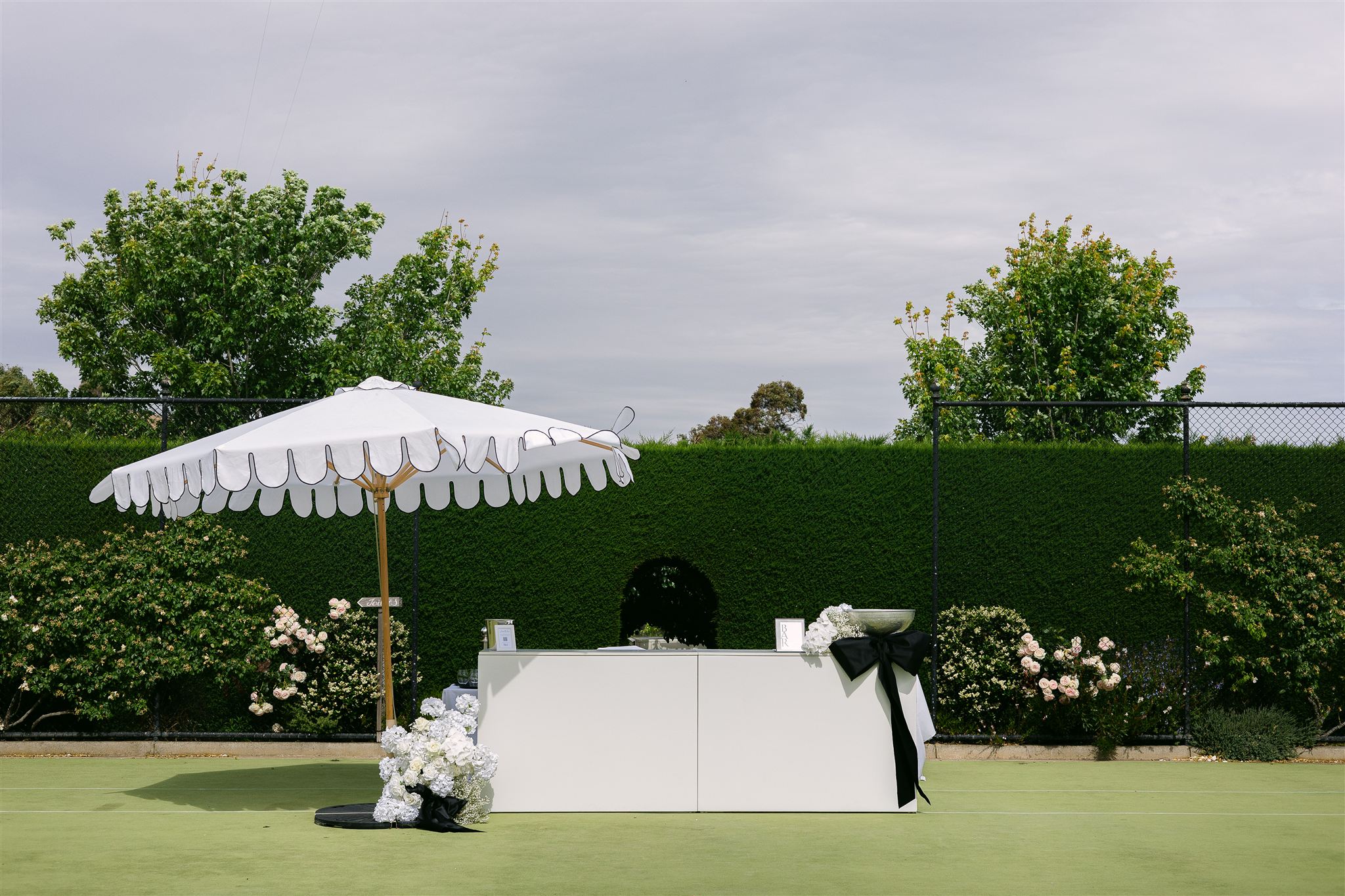
Mandalay sits 45 minutes from Adelaide in the Hills, on grounds that have been cultivated with European garden sensibility for decades. The property offers multiple reception configurations: a formal dinner for up to 240 in a marquee, a cocktail party for 150 on the lawns, or an intimate dinner for 80 in the Ivy Barn. Couples bring their own caterer, bar, and stylist, which makes the creative possibilities genuinely open.
The gardens are the thing here. Not in the way that venues often describe their gardens as the thing, but actually. The landscaping has depth and maturity that takes decades to develop and cannot be fast-tracked. As a backdrop for photography, it is one of the more versatile properties in South Australia.
If you want to see Mandalay through my lens, here’s a full look at why it’s one of the best wedding venues in South Australia.
WEBSITE / INSTAGRAM
Looking for more South Australian options?
Here’s my full roundup of European-inspired wedding venues in South Australia.
Perth & Western Australia
Caversham House
A French Provincial Estate in the Swan Valley, Perth
Caversham was built with weddings in mind and does not pretend otherwise. French Provincial architecture, manicured grounds, a capacity that extends to 350, and a location in the Swan Valley wine region that gives guests somewhere worth staying for the weekend. The production is polished, the spaces are versatile, and the team knows what they are doing. For large celebrations that want European aesthetics with serious logistical support, Caversham is a considered choice.
WEBSITE / INSTAGRAM
European Wedding Venues in Australia FAQ
Materiality, age and proportion. Stone walls, rendered facades, arched doorways, cypress trees, wisteria, cobblestones. The venues that feel most authentically European are the ones where that character comes from the architecture and landscape itself rather than styling decisions. A property that has been standing since the 1800s reads differently to a new build trying to evoke the same feeling.
A dry hire venue provides the space and nothing else. Catering, bar, furniture, florals and styling all come in separately, which gives you complete creative control but requires more coordination and budget management. Full-service venues include catering and coordination as part of the package. Neither is better, but understanding which one you are booking early avoids surprises.
For blank canvas venues in regional areas, a planner is less a luxury and more a structural necessity. When every supplier needs to travel and every element needs to be sourced and coordinated independently, having someone who knows the region and the logistics is the difference between a day that flows and one that doesn’t.
La Gemme Estate, Redleaf Wollombi, Merribee, Ardour Milton Park, Alora Macedon, Brolga Hill Estate and Lancemore Lindenderry all offer meaningful on-site accommodation. These are the ones to shortlist if a multi-day celebration is what you’re after.
Late spring and early autumn are the sweet spots nationally. October to November and March to May offer softer light, manageable temperatures and gardens at their best. The specifics vary by state, so it’s worth asking your venue for images from your exact month before committing to a season.
For the properties on this list, 12 to 18 months is a reasonable starting point for popular dates in spring and autumn. La Gemme, Redleaf and Merribee book particularly early given the limited number of events they host per year. If you have a specific date in mind, enquire sooner rather than later.
In most cases, yes. The venues on this list are generally open to couples bringing their own photographer, caterer, florist and stylist rather than selecting from a preferred supplier list. However, some may work from a preferred supplier list. It is worth asking this question early because it significantly affects what the day can be, and who you can have there.
Choosing the Right Venue for Your Wedding
The obvious things matter: guest count, location, on-site accommodation, indoor backup for weather. But there are less obvious questions worth sitting with.
- Does the atmosphere feel like something we actually want to be inside, not just photograph? The best venues earn that answer quickly when you visit in person.
- How much does the venue require you to bring in? Blank canvas properties give creative freedom but need planners, infrastructure, and budgeting for things that are included elsewhere.
- Is vendor flexibility offered? The ability to bring your own photographer, planner, florist, and caterer changes what the day can be.
- What does the venue look like in the season you are planning to marry? Gardens in July are a different thing from gardens in November. Ask for images from your specific month.
- What is the indoor option actually like? Not as a backup mentioned in passing, but as a space you could genuinely spend four hours in and feel good about it.
Turns out you don’t need a connecting flight through Dubai to find somewhere worth celebrating. Australia has quietly been building a very convincing argument for staying put, and this list is the evidence.
If it has done the opposite and only made you want to book flights, I have everything you need in my guide to planning a destination wedding.
And if you’re planning a wedding at any of these venues and want a photographer who spends half the year in Europe and the other half grateful to be back, get in touch.
