Evelina Katarzynski
written by
Why More Couples Are Choosing to Have a Destination Wedding
Smaller guest lists, longer evenings, and why the day tends to feel more like you
Some couples spend months deep in the logistics of a local wedding before one of them finally says it out loud: ‘what if we just went somewhere?’
And then everything shifts.
Not because a destination wedding is inherently better than anything else. But because that question usually means the couple already knows what kind of day they actually want, and it’s not the one they’ve been planning.
If you’re at that crossroads, here’s what’s on the other side of it.
The Guest List Sorts Itself Out
When travel is involved, people have to make a real decision about showing up. Some can’t. Some won’t. And while that sounds like it should sting, what actually happens is that the people who do come are genuinely, actively there. They rearranged their lives, saved the leave, booked the flight six months out.
That changes the room completely.
Smaller tends to mean more present. Fewer tables of people invited because it felt awkward not to, more of the people who have actually been watching your relationship unfold for years. The intimacy that couples always say they wanted from a local wedding often shows up naturally at a destination wedding, because everyone in the room chose to be there.
Some guests won’t be able to afford it, and that’s worth being realistic about early. A virtual ceremony option for those who can’t travel is worth considering, so nobody feels left out entirely.
The Destination Wedding Experience: More Than One Day
A destination wedding isn’t just a day. There’s the welcome dinner where everyone finally exhales after fourteen hours of travel. The morning-after brunch that starts at ten and somehow ends at three. The afternoon someone drags the whole group to a hilltop village and nobody complains.
The ceremony is one part of a larger thing, and that larger thing is often what people talk about for years. Not the ceremony specifically but the whole week. The late conversations that only happen when everyone is far from home, slightly off their normal sleep schedule, and weirdly, genuinely happy.
Consider planning a few loose activities for guests beyond the wedding day itself. A group dinner, a local food tasting, a wander through a market. It doesn’t need to be a full itinerary. Even a welcome drinks the night before and a lazy brunch the morning after gives people a reason to linger, and that lingering is usually where the best parts happen.
Why Destination Wedding Photography Looks Different
Put a couple somewhere with centuries of texture in the walls and light that lasts until ten at night in summer, and something happens in the photographs. What gets talked about less is what happens to the couple themselves.
Away from familiar surroundings, people tend to stop performing. They’re not scanning for someone they need to say hello to or running through a mental checklist of everything still outstanding. The day has more air in it. More slowness. And the photographs reflect that, faces that have actually landed rather than faces that are managing.
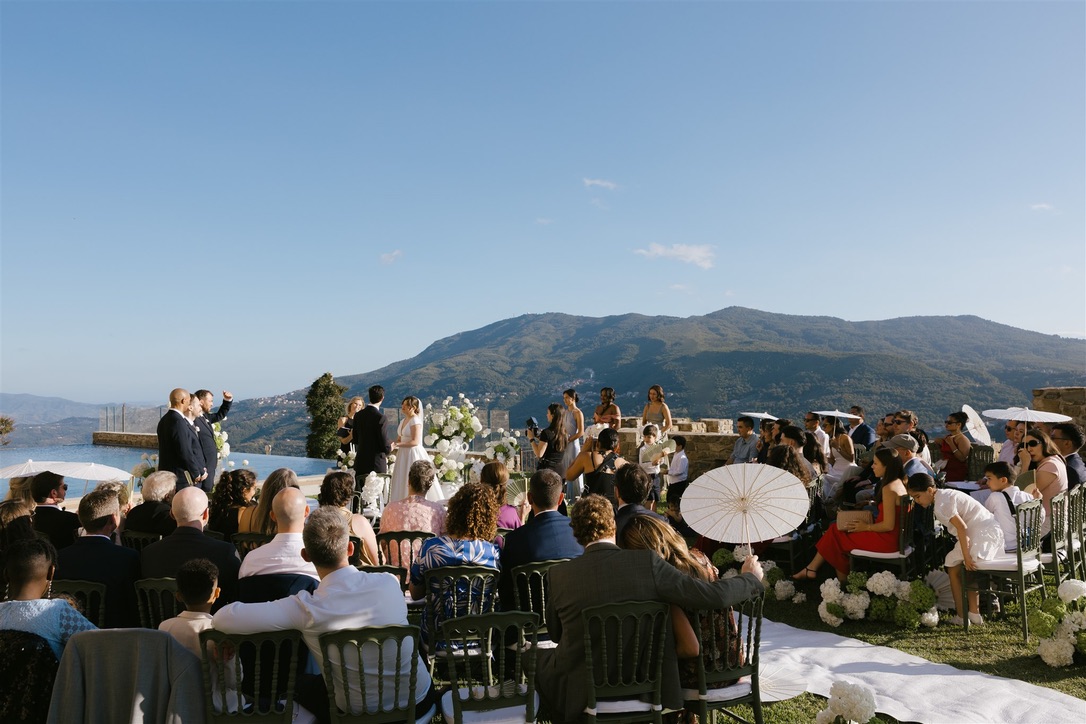
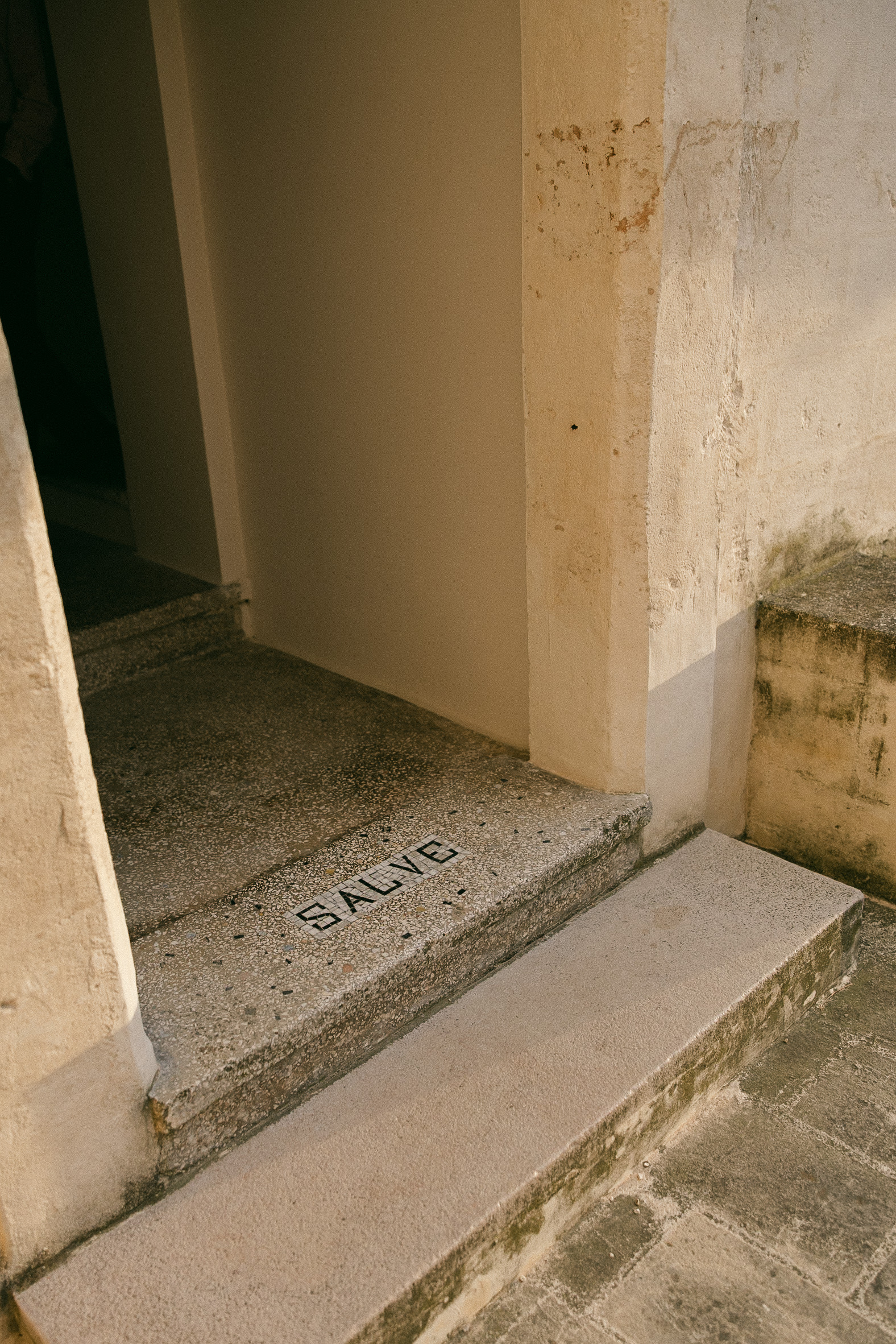
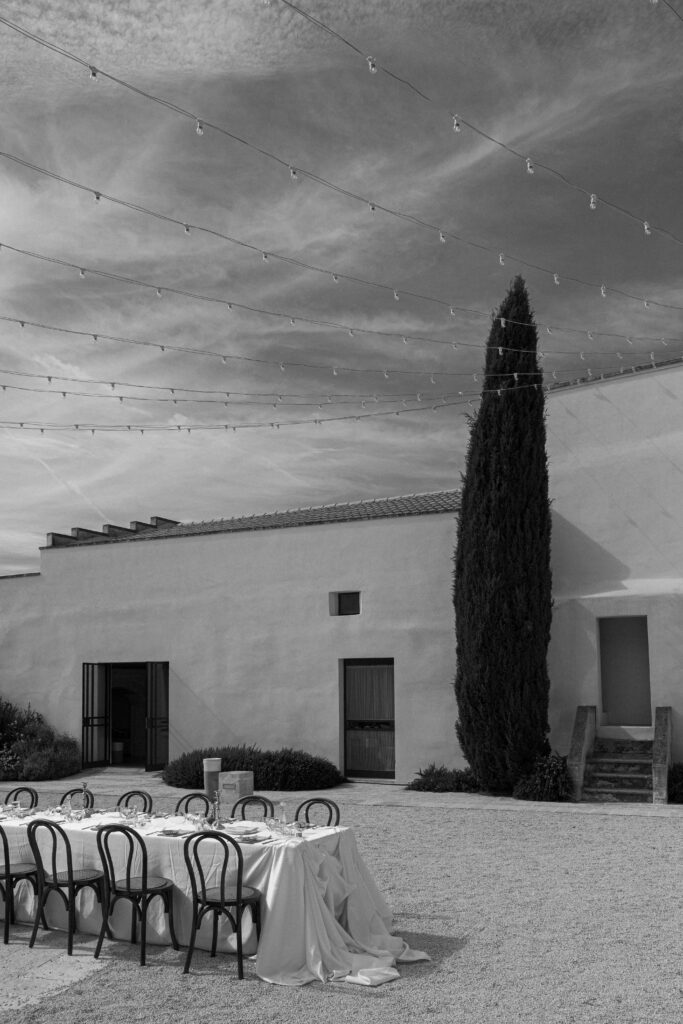
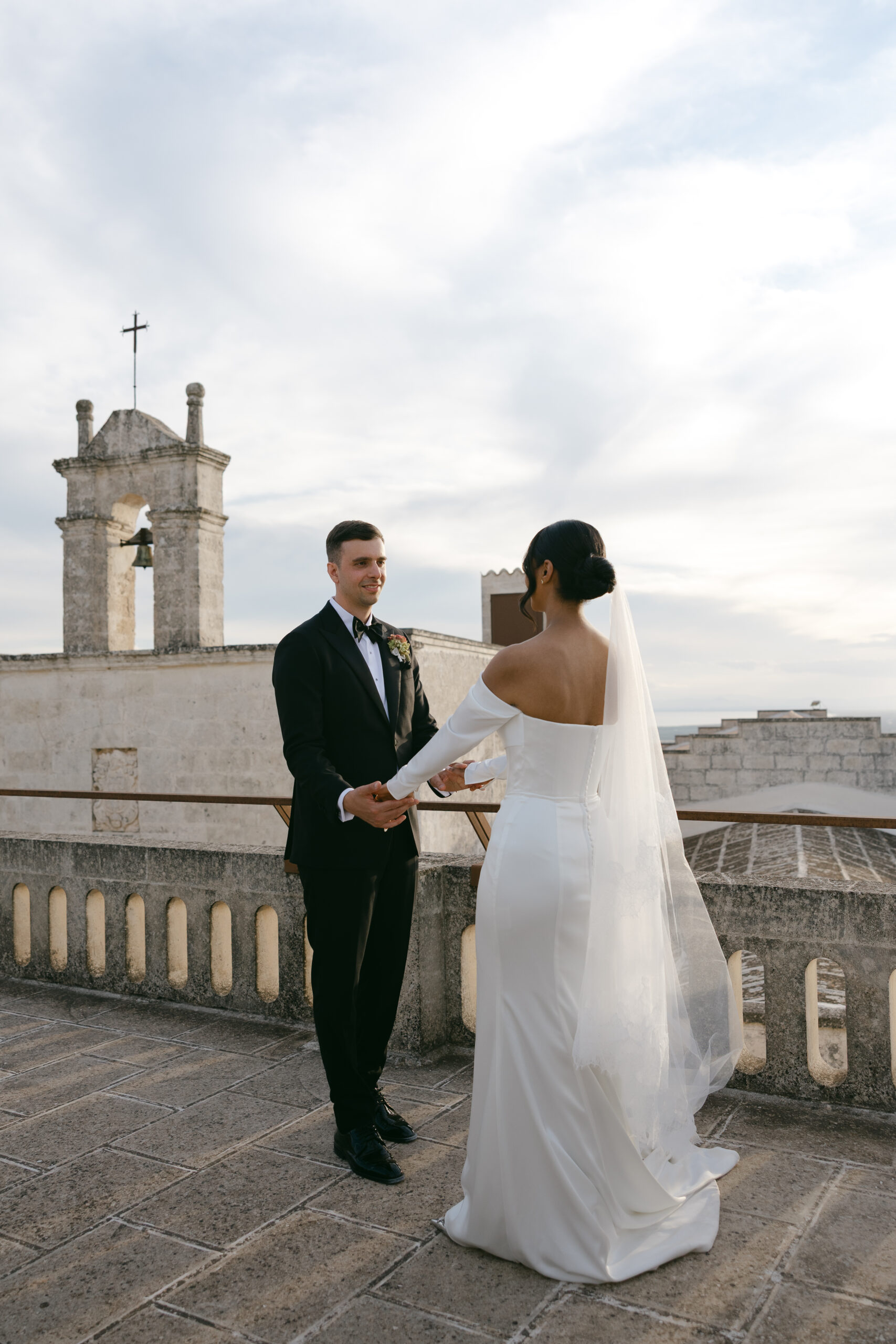
I keep going back to Italy because I genuinely haven’t found a reason not to. A wedding at Masseria Amastuola in Puglia, where the landscape is so sculptural the whole property feels designed to catch the last hour of daylight. A summer wedding at Villa Marchese in Tuscany, olive groves and a long table and heat that makes everything move a little slower. The light in both places in the late afternoon, the way it does something specific to old stone and linen and people who have stopped trying, I haven’t found anything like it elsewhere.
A Destination Wedding Forces Clarity
When every vendor conversation happens across time zones and every decision has a real cost attached to it, couples get clear quickly about what actually matters to them. The elements that survive that process tend to be the ones that were always really theirs. The food that tastes like the place. The music nobody else would have chosen. The flowers that mean something specific rather than something generic.
Destination weddings end up edited in a way that local weddings often aren’t, simply because they had to be. Less of the generic and more of the particular. Less “this is what a wedding looks like” and more “this is what ours looks like.”
Destination Weddings and the Question of Budget
A destination wedding done well isn’t cheap. But it is intentional, and that distinction matters.
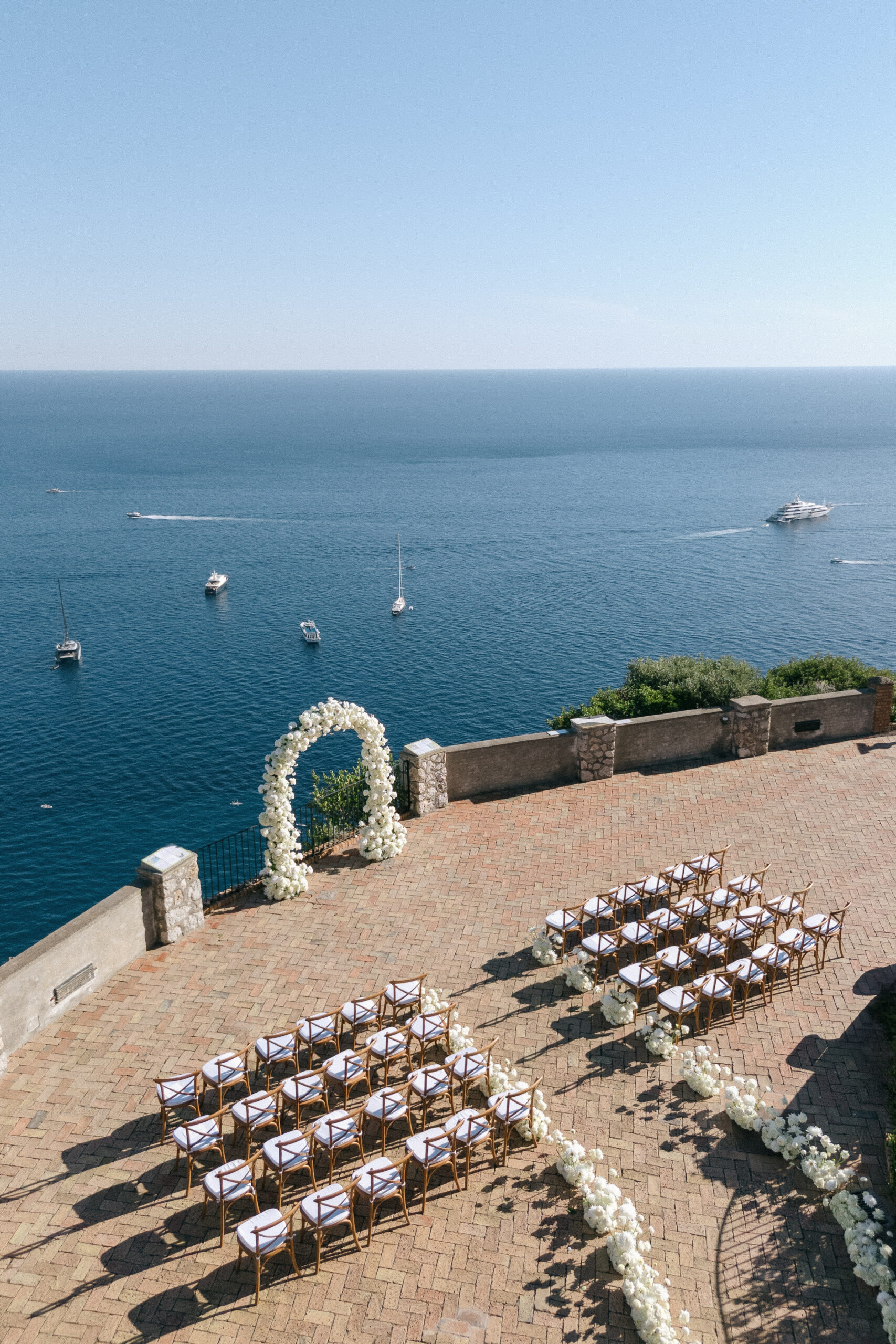
What most couples find is that a smaller guest list changes the entire conversation. When you’re not catering to a hundred and twenty people, the budget stops being spread thin across things that don’t matter and starts being concentrated on the ones that do. The venue that actually moves you. The dinner that tastes like the place you’re in. The photographer who already knows the light.
Many European estates and villa properties work on all-inclusive contracts, wrapping the venue, accommodation, catering, and coordination into a single arrangement. That structure tends to produce a more considered, cohesive day than piecing together twenty separate vendors ever does. A local planner with deep relationships in the area takes that further still. The suppliers they trust, the producers they’ve worked with for years, the florist who sources from two villages over. That kind of access doesn’t come from a Google search.
And then the wedding simply flows into the honeymoon. No hard stop, no separate trip to plan, no second round of flights. You’re already there, already in it. The celebration loosens its edges and becomes something longer and slower, which is usually exactly what couples wanted from the beginning.
Choosing Your Destination Wedding Location
Pick somewhere that means something, where you got engaged, a country you’ve been wanting to explore properly, a place one of you has talked about for years. Before committing, get clear on the travel logistics for the people who need to be there. Passports, visas, flight connections, how manageable it all is for older family members. Not every destination works for every guest list and it’s worth being honest about that before you fall in love with a venue.
Choosing Your Destination Wedding Date
Research the season before the venue. Peak summer across most of Europe means beautiful weather but higher prices, fewer accommodation options, and more competition for vendors. Shoulder season gives you much of the same with significantly less friction.
Whatever date you land on, save the dates need to go out 10 to 12 months in advance for an international wedding. Official invitations should follow at around the six month mark. Guests need genuine lead time to book flights and arrange leave, and the earlier they can lock in travel the less it costs them.
Looking After Your Guests
The more you can do to make travel straightforward, the better everyone arrives. A curated list of accommodation across a few different price points is one of the most genuinely useful things you can give people. Hotel room blocks can bring costs down for guests and keep the group together, which tends to make the whole week feel more cohesive rather than fragmented across different towns.
Think about transport between the airport, accommodation, and venue. If they’re not all close to each other, a shuttle removes a lot of friction and means nobody arrives stressed or late.
Hire a Local Wedding Planner
A planner who actually knows the area is worth finding before almost anything else, before the venue, before the photographer, before the florist. They know the legal requirements for getting married in that country (some require residency periods, translated documents, or formal notice periods well in advance), the suppliers worth trusting, and the seasonal rhythms that aren’t in any travel guide.
I’ve put together a list of European wedding planners I’d genuinely recommend if you’re starting that search.
Choosing Your Destination Wedding Photographer
Bring someone who already knows the places you’re dreaming about if you can. There is a real difference between a photographer arriving somewhere for the first time and one who already knows which corner of a courtyard catches the light at 6pm in late September.
That familiarity changes what the day can be. If you want to know more about how I work and what a destination wedding collection looks like, you can find everything here.
Planning a Destination Wedding: Quick Reference
- Choose a location that means something to you, and check the travel logistics for the guests who need to be there.
- Shoulder season (late April to May, September to early October) consistently delivers better conditions and better value than peak summer.
- Save the dates go out 10 to 12 months in advance. Invitations at six months. International travel needs real lead time.
- A local planner with vendor relationships is worth finding before almost anything else.
- Give guests a curated list of accommodation options and think through transport between the airport, accommodation, and venue.
- Smaller guest lists concentrate the budget on what actually matters rather than spreading it thin
- Plan something loose for guests beyond the wedding day itself. A welcome dinner, a group lunch, a post-wedding brunch. The lingering is usually the best part.
- The wedding flows naturally into the honeymoon. You’re already there.
Destination Wedding FAQs
Often less, once the guest list is genuinely pared back. The per-head cost drops significantly at smaller numbers, and many European venues offer all-inclusive packages that bundle catering, accommodation, and coordination into one contract. Shoulder season booking brings that down further. Couples are regularly surprised by how the numbers land once the comparison is made properly.
12 to 18 months is comfortable. Popular venues in Italy, France, and Portugal fill well ahead of that for peak-season dates. Save the dates at 10 to 12 months minimum. International travel takes real planning and guests need the lead time.
Many Australian couples legally marry at home first, a simple civil ceremony, and hold their celebration abroad as the main event. This sidesteps the varying legal requirements of different countries, some of which involve residency periods, translated documents, or formal notice periods. A good local planner will advise on exactly what applies to your chosen location.
Late April through May and September through early October consistently deliver the best combination of weather, vendor availability, and light. Midsummer works but comes with peak pricing, tourist crowds, and intense midday heat that affects both guests and photography. Early autumn in Italy and southern France in particular is warm, golden, and noticeably less hectic than August.
